


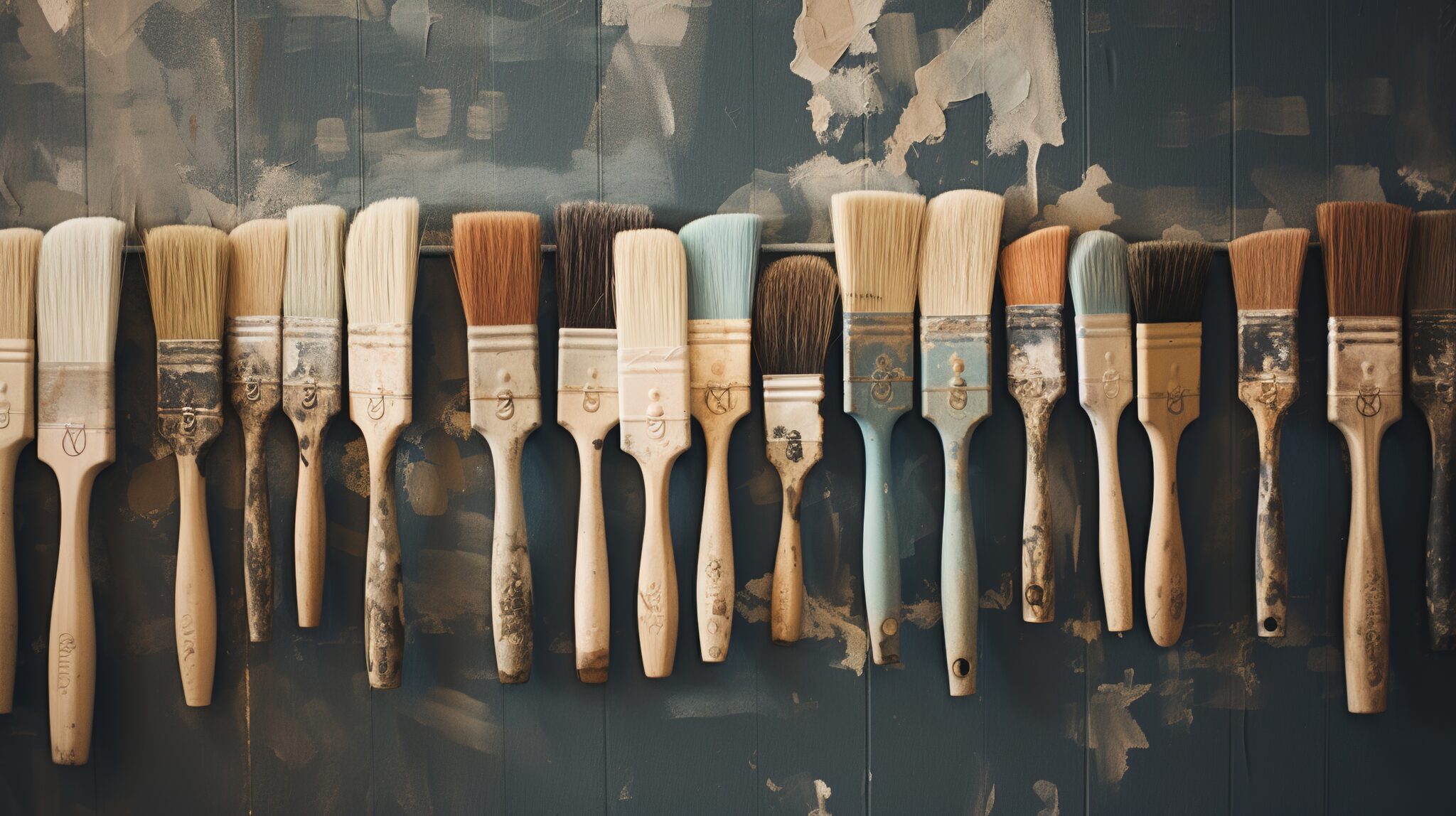
If you’ve ever browsed the painting section of any art store or URARTSTUDIO’s online shop, you’ve likely noticed that brushes are labeled as either “synthetic” or “natural” bristles. This difference isn’t just marketing—it can have a dramatic effect on how your acrylic landscapes look and feel. For artists of all levels, but especially beginners, understanding the qualities, advantages, and disadvantages of each brush type is key to unlocking new creative possibilities. In this detailed guide, we’ll help you navigate the world of brush bristles so you can find your ideal tool for every acrylic painting adventure.
Understanding Bristle Types: What Sets Synthetic and Natural Brushes Apart?
Before jumping into which is “best,” let’s clarify what sets these bristles apart:
- Natural Bristle Brushes are made from animal hair, most commonly hog, sable, squirrel, or ox. Each type brings different properties—hog’s bristles, for example, are notably stiff and strong, while sable is prized for its softness and spring.
- Synthetic Bristle Brushes are crafted from man-made materials such as nylon, polyester, or blended filaments. Technological advances mean synthetics now closely mimic the textures and performance of animal hair, often with added benefits.
Synthetic Bristles: Characteristics and Benefits
- Durability: Synthetic bristles are particularly resistant to damage from acrylic paints, which can be tough on brushes because acrylics dry quickly and can be difficult to clean. Synthetics won’t absorb water or pigment as much, making them less prone to swelling, losing shape, or becoming brittle.
- Spring and Snap: Many synthetic brushes have a reliable “snap” or spring, meaning they return to shape after each stroke. This is great for control and precision, especially in detailed landscape work.
- Versatility: Synthetics work well with a wide variety of paint consistencies, from thick impasto to thin washes. They don’t retain water or solvents like natural hair, so transitions are crisp and clean.
- Affordability: Generally, synthetic brushes are more budget-friendly—important for beginners, students, or artists who want to experiment with different shapes and sizes.
- Ethical and Allergenic Choices: Synthetic brushes are vegan, and a good choice for artists avoiding animal products or with allergies.
Common Synthetic Brushes in Landscape Painting:
- Synthetic Flats: Great for smooth gradients, bold skies, and crisp edges.
- Synthetic Rounds: Excellent for tree trunks, branches, and fine details.
- Fan Brushes: Synthetic fans are ideal for adding grass, foliage, or clouds without shedding.
Natural Bristles: Characteristics and Benefits
- Superior Paint Loading: Natural hairs have tiny microscopic scales that allow them to hold more paint and water, offering longer, smoother strokes—fantastic for oil painting but more limited for fast-drying acrylics.
- Variety of Textures: The texture and softness differ by source—hog bristle is stiff for bold marks and scumbling, while sable is soft, perfect for detail and gentle blending.
- Organic Feel and Texture: Many artists love the subtle, organic marks made by natural bristles, which can add vibrancy and complexity to landscapes.
- Blending Mastery: Soft natural brushes are prized for creating seamless transitions and beautiful blending in skies, water, and natural effects.
Common Natural Bristle Brushes in Landscape Painting:
- Hog Bristle Flats and Brights: Classic for texturing rocks, rough earth, and bark.
- Natural Filberts: Their unique shape and organic spring work well for blending foliage or clouds in oils, but can struggle with acrylics due to matting.
- Sable Detailing Brushes: Ideal for precision work and finishing touches, especially for those comfortable working quickly.
Direct Comparison: How Do They Perform with Acrylics?
- Paint Application: Synthetic brushes handle the fast-drying, sometimes sticky nature of acrylics better than natural bristles, which can become gummy and lose shape if not cleaned immediately.
- Control: Synthetics often offer better snap, making it easier for beginners to create consistent shapes and lines.
- Texture: Naturals provide more nuanced, unpredictable marks, which can be both a creative asset and a challenge.
- Longevity: Synthetics almost always last longer with acrylics, needing less maintenance and providing consistent results over time.
- Cleaning: Synthetic bristles are much easier to clean, while dried acrylic paint can permanently damage natural hair.
- Cost: Synthetics tend to be more affordable, especially in larger sizes or sets for experimentation.
Which Is Better for Beginners?
For those new to acrylics, synthetic bristle brushes are typically the best choice because:
- They are easy to clean and maintain, reducing beginner frustration.
- They withstand the harsh qualities of acrylics—making them last longer.
- Their affordable price lets you try a wider range of shapes and sizes without breaking the bank.
- They provide the control and consistency needed to quickly develop new techniques.
Some experienced artists still keep a few natural bristle brushes handy for special textures, effects, or for use with oils—so as you gain confidence, you may want to experiment!
Caring for Your Brushes: Keys to Longevity
Whether you choose synthetic, natural, or a mix, proper brush care is crucial:
- Rinse immediately after painting, especially with acrylics—never let paint dry in the bristles.
- Wash gently with mild soap and lukewarm water, working out all pigments.
- Reshape bristles and lay flat or hang upside-down to dry.
- Store brushes upright with bristles up, and keep natural brushes apart from synthetics to avoid abrasion.
Well-cared-for brushes will reward you with years of creative service, no matter their composition.
Final Thoughts: Mix, Match & Discover Your Favorites
No one brush is right for every artist or every mark. Synthetic brushes offer beginners economy and reliability for acrylic landscapes, while natural brushes can provide nuanced marks and classic textures favored by many experienced painters. Try different tools as your skills grow—see how each one inspires new possibilities in your work.
Remember, at URARTSTUDIO, we celebrate individuality in art and provide a wide selection of both synthetic and natural brushes in our shop, complete with painting tips, step-by-step instructions, and technique guides to ensure you always have the right brush—and knowledge—for your creative journey.
Be sure to browse our painting tips at https://urartstudio.com/painting-tips/ and discover all the tools and advice you need to start or enhance your acrylic landscape painting experience.
Keywords: synthetic bristles, natural bristles, acrylic painting brushes, landscape painting, beginner painting tips, brush care
#syntheticbristles, #naturalbristles, #acrylicpaintingbrushes, #landscapepainting, #beginnerpaintingtips, #brushcare
Leave a Reply
You must be logged in to post a comment.