


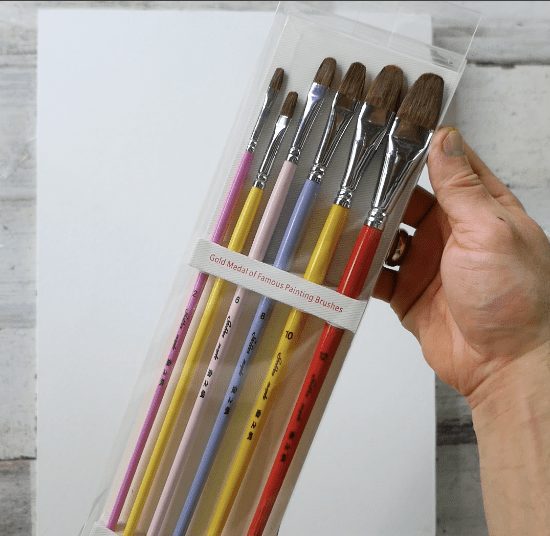
When exploring the diverse world of acrylic landscape painting, finding the right brush can greatly influence the expressiveness and efficiency of your technique. Among the most versatile options in any artist’s toolkit is the filbert brush—a tool that elegantly merges the best characteristics of both flat and round brushes, opening up a world of creative possibilities.
What Makes a Filbert Brush Unique?
The filbert brush is instantly recognizable thanks to its oval-shaped head and medium-length bristles, which taper to a softly-rounded edge. This unique shape allows artists to enjoy the broad, sweeping coverage of a flat brush, while also benefiting from the curved, graceful lines typical of a round brush.
Key Features:
- Rounded tip: Enables both precision and softness in a single stroke.
- Flat body: Offers full coverage for washes and blocking in shapes.
- Versatility: Handles everything from expressive, painterly gestures to delicate, controlled detail.
Techniques for Using Filbert Brushes in Landscape Painting
1. Blending and Soft Edges
The filbert’s rounded tip is perfect for softening transitions between colors and values. Use gentle, overlapping motions to blend skies, distant hills, or light reflections seamlessly, eliminating harsh lines while maintaining control over the shape.
2. Broad and Fine Strokes
Apply paint with the flat side for wide, confident sweeps—ideal for blocking in skies and landscape bases. Turn the brush on its edge, or use just the tip, for slim lines or subtle details, such as tree branches or the contours of clouds.
3. Layering and Dry Brush Effects
The curved bristles lend themselves to both glazing thin, transparent layers and applying color lightly for dry brush texture. This makes it easy to build depth and atmosphere in features like mist, foliage texture, or fields of grass.
4. Seamless Foliage and Natural Forms
Press and twist the filbert brush to create organic, varied leaf clusters and soft, irregular shapes. The rounded form naturally mimics the curves found in leaves, bushes, and floral elements, producing believable, lively plant life.
Applications in Landscape Painting
- Clouds: Achieve fluffy, soft-edged clouds by tapping and swirling with the filbert’s tip, then gently blending with the side.
- Foliage: Paint individual leaves, bushes, and distant trees using a simple press-and-lift motion, varying pressure for size.
- Backgrounds: Cover large areas quickly, then carve out or refine shapes without switching brushes.
- Water and Reflections: Make subtle transitions and mirror-like effects with curved, broad sweeps or feathered highlights.
Care Tips for Filbert Brushes
To keep your filbert brush performing at its best:
- Clean promptly: Rinse thoroughly after each session, gently swirling to remove pigment from the bristle base.
- Use mild soap: Especially important if using heavy-bodied acrylics. Avoid harsh cleaners to preserve the bristle’s softness and flexibility.
- Reshape the tip: After washing, reshape the bristles into their signature oval form and dry flat or upright, tip facing up.
- Store carefully: Keep filberts separate from other brushes to avoid splaying or flattening the delicate rounded tip.
Final Thoughts
The filbert brush truly stands out for its adaptability and control—capable of delivering both sweeping coverage and intricate details. Whether you’re capturing the atmospheric softness of clouds, the organic forms of foliage, or nuanced backgrounds, a filbert brush can streamline your workflow and add natural beauty to your acrylic landscapes.
Discover quality filbert brushes and more at URARTSTUDIO’s shop, and enhance your skills with additional landscape tips at URARTSTUDIO Painting Tips.
Keywords: filbert brush, acrylic landscape, blending, soft edges, brush care, versatile painting
#FilbertBrush #AcrylicArt #LandscapePainting #SoftEdges #URARTSTUDIO
Leave a Reply
You must be logged in to post a comment.