


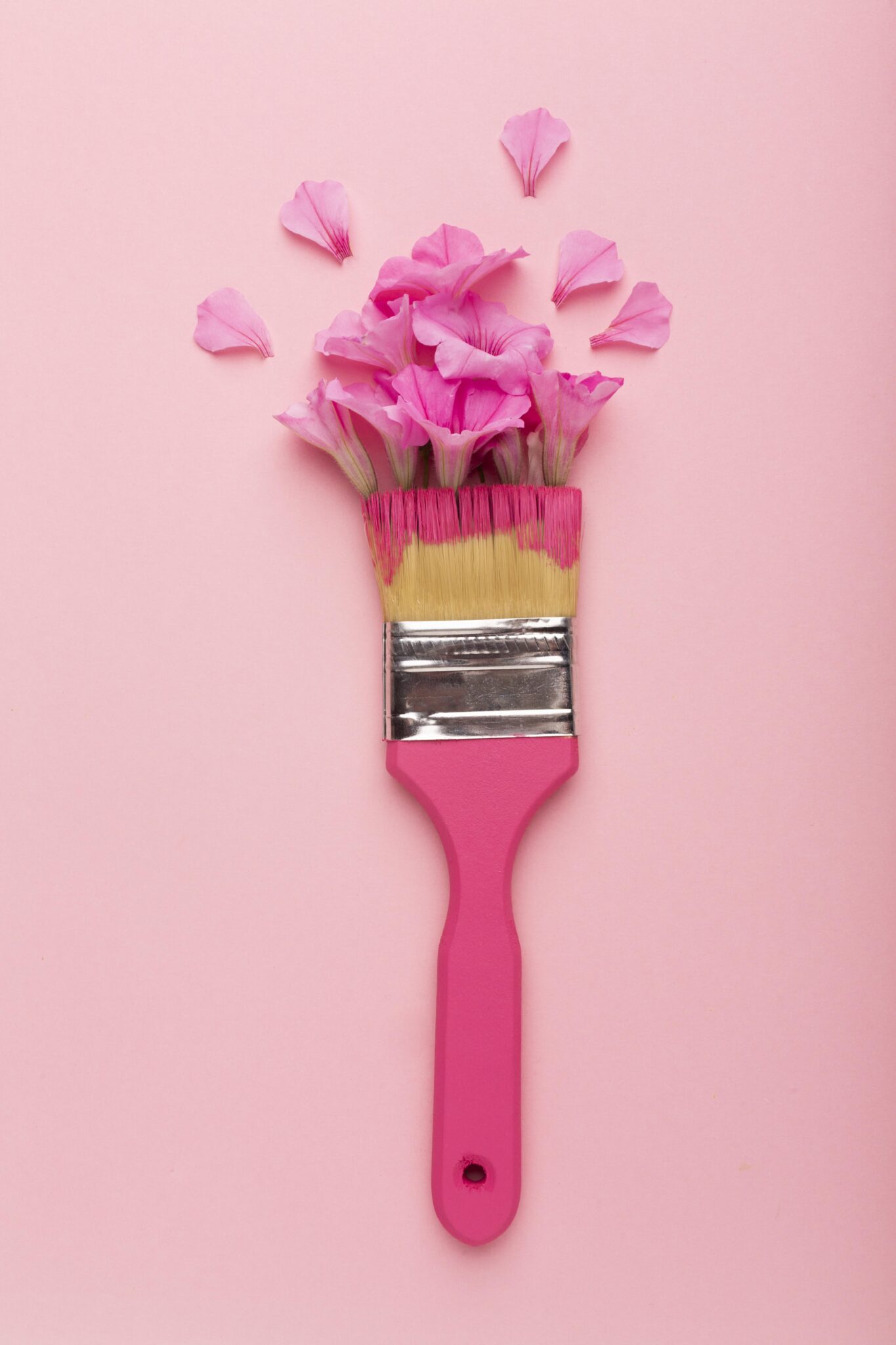
When it comes to acrylic landscape painting, few tools are as universally useful as the flat brush. Often an artist’s first choice for both bold statements and subtle details, flat brushes combine versatility, control, and creative potential—all wrapped into one straightforward shape. Whether you’re laying down sweeping skies or adding the rigid lines of a distant horizon, understanding the full capacity of your flat brush can elevate your work from good to unforgettable. Let’s dive into what makes flat brushes the all-rounders of acrylic landscape art.
What is a Flat Brush?
A flat brush is distinguished by its long, rectangular bristles and squared-off tip. Available in a wide range of sizes, flat brushes can be made with either natural or synthetic fibers. This design allows them to hold ample paint and deliver even, consistent strokes—making them invaluable for both beginners and professionals.
Key Characteristics of Flat Brushes
- Shape: Flat, rectangular with a sharp, square tip.
- Material: Comes in both synthetic and natural bristles, with synthetics often preferred for the fast pace of acrylic painting.
- Range of Sizes: From miniature flats for fine lines to wide flats for backgrounds, these brushes are adaptable to any scale.
Why Every Landscape Painter Needs a Flat Brush
Flat brushes are the go-to for many essential tasks in landscape painting, thanks to their unique ability to deliver:
1. Broad Coverage:
Use the wide face to quickly block in color for skies, fields, or water. The even edge ensures a smooth, streak-free application—crucial for backgrounds or underpaintings.
2. Sharp Edges and Defined Lines:
Tilt the brush and use its straight edge to create crisp horizon lines, the bold outline of tree trunks, or the architecture of distant buildings with precision.
3. Versatile Blending:
The flat shape is ideal for blending colors on the canvas, especially when you want subtle transitions in clouds or rolling hills. Feather the edges for gentle gradients using light, side-to-side movements.
4. Layering and Texture:
Flat brushes excel at building up layers. Use dry-brushing for texture (“scrubbing” gently over canvas) or layer thick, impasto strokes for dimension.
Essential Techniques for Flat Brushes
- Broad Strokes: Load the brush fully and use the entire width for large, bold applications—perfect for painting expansive skies or water.
- Edge Work: Turn the brush sideways to paint thin lines, branches, or delicate blades of grass.
- Scumbling: Use a dry flat brush to apply semi-opaque color, creating soft glazes or glowing highlights over textured areas.
- Stippling: Dab the tip or edge into paint and tap lightly for foliage effects, gravel paths, or textured clouds.
Care Tips for Your Flat Brushes
- Clean Immediately: Don’t let acrylic paint dry on your brush—rinse thoroughly with water after each session.
- Reshape the Bristles: Gently shape the bristles while damp to maintain that desirable sharp edge.
- Store Properly: Lie flat or keep upright (bristles up) to prevent deforming or splaying.
Conclusion
Flat brushes truly embody versatility—the “all-rounder” that can handle the foundation and the finishing flourishes of any landscape. By mastering the wide array of techniques made possible by flat brushes, you’ll discover new ways to express atmosphere, depth, and detail in your acrylic landscapes.
Ready to expand your creative horizons? Explore high-quality flat brushes and more essential tools at URARTSTUDIO’s shop, and unleash the full power of this painting classic in your next masterpiece.
Keywords: flat brush, acrylic landscape, painting techniques, brush care, blending, texture, art tools
#FlatBrush #AcrylicPainting #LandscapeArt #PaintingTips #URARTSTUDIO
Leave a Reply
You must be logged in to post a comment.