


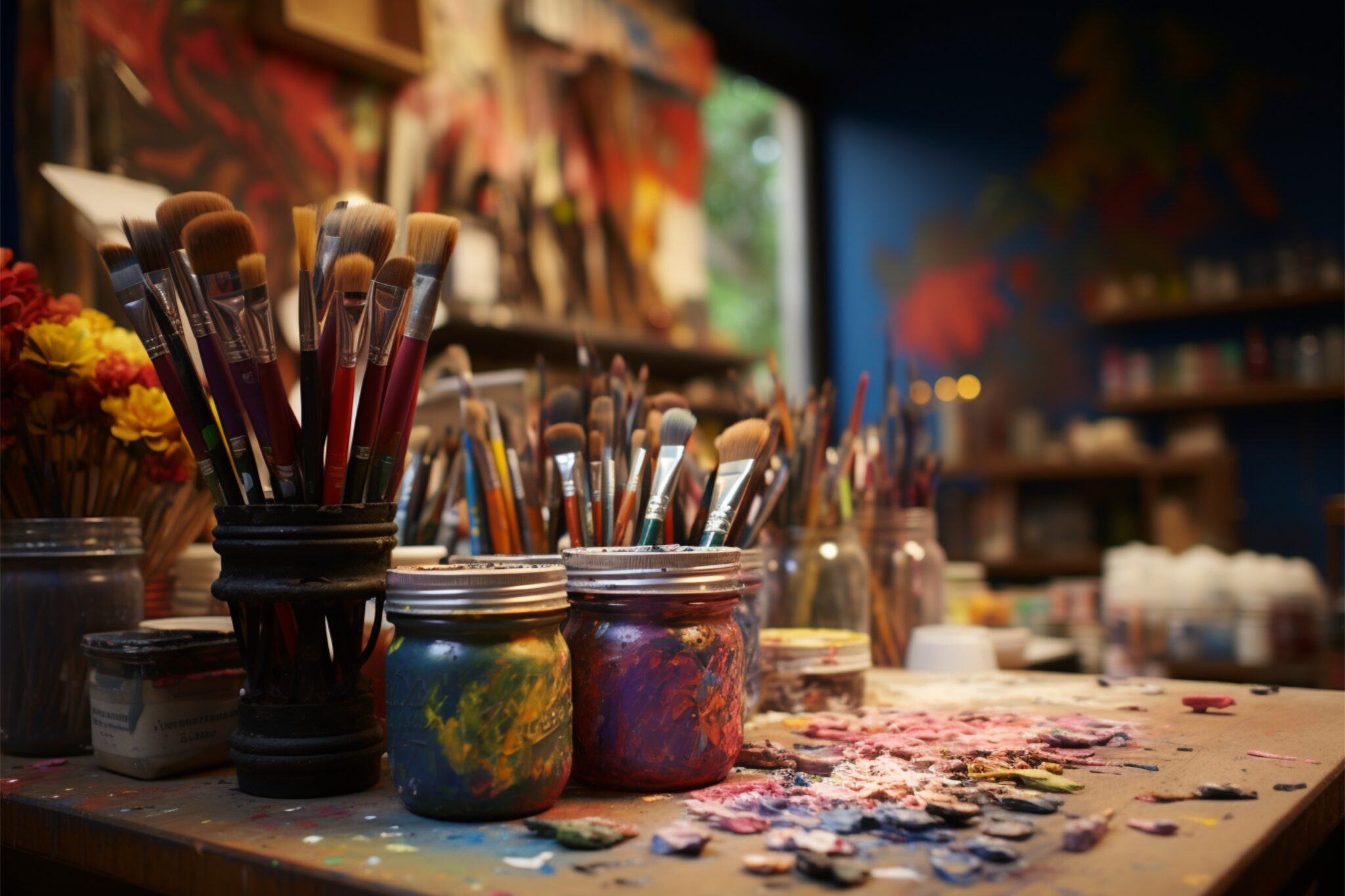
Paintbrushes—simple tools with transformative power—have shaped the course of art history for centuries. From early animal-hair creations to today’s state-of-the-art synthetic marvels, the paintbrush’s evolution tells a rich story of innovation and artistic expression. In the world of acrylic landscape painting, these advancements have opened new doors for creativity, technique, and artistic freedom. Let’s take a journey through time and explore how paintbrushes have evolved, and what these changes mean for contemporary artists.
Ancient Origins and Traditional Craft
The humble paintbrush dates back thousands of years. Early versions were made with rudimentary materials: reeds, sticks, or animal bones bound with animal hair or plant fibers. Ancient Egyptians used rushes and split palms, while the Chinese perfected calligraphy brushes with goat or wolf hair.
As painting traditions flourished in Renaissance Europe, so did brush craftsmanship. Artists prized sable, hog, and squirrel bristles—each chosen for specific qualities. Sable brushes, for example, became a favorite for their softness and spring, ideal for delicate details in oil and watercolor painting. Hog bristles, on the other hand, were stiffer and favored for textured, bold strokes. Handles were typically crafted from wood, shaped for comfort and balance, and finished with quill or metal ferrules.
The Shift to Modern Materials
The 20th century marked a significant leap in paintbrush technology. With synthetic fibers like nylon and polyester entering the scene, brush manufacturers were able to offer affordable, durable alternatives to natural hair. These synthetic bristles proved especially valuable for acrylics, which can be hard on traditional brushes due to their quick-drying nature.
Key Advancements:
- Synthetic Fibers: Modern synthetics are engineered to mimic natural hair, providing similar flexibility, absorbency, and precision—often with added resilience and easier cleaning.
- Hybrid Blends: Some brushes now combine natural and synthetic hairs, delivering the best of both worlds for artists who want tradition and technology in a single tool.
- New Shapes and Sizes: Innovative brush designs (like angular, dagger, and fan mops) are tailored to the unique needs of acrylic and mixed-media painters, offering greater versatility than the classic rounds and flats.
Comparing Traditional and Contemporary Brushes
Material:
Traditional: Natural hair (sable, hog, goat, squirrel); wooden handles
Modern: Synthetic fibers, bamboo, plastic, ergonomically designed handles
Durability:
Traditional: Beautiful and responsive, but prone to wear (especially with acrylics)
Modern: Highly durable, resistant to fraying and chemical breakdown
Performance:
Traditional: Prized for feel and nuanced mark-making, especially in oils and watercolors
Modern: Designed for consistency, versatility, and compatibility with fast-drying acrylics
Evolution in Practice: Impact on Artists
Modern paintbrush innovations have significantly influenced contemporary landscape artists. Today’s brushes allow for:
- Effortless Experimentation: With specialty brushes like mops, filberts, and versatile synthetics, artists can easily switch between soft blends, crisp lines, or expressive textures.
- New Techniques: Synthetic brushes designed for acrylics enable rapid washes, dry brushing, and glazing without fear of ruin—empowering bold approaches and layered painting styles.
- Accessibility: High-performing, affordable brushes mean that artists at every skill level can enjoy quality tools and push creative boundaries.
Example: The Mop Brush
Traditionally used in watercolor, the mop brush has been reinvented for acrylic use with synthetic fibers, allowing landscape painters to create atmospheric clouds and seamless gradients with ease—something nearly impossible with older, stiffer brushes.
Example: Wash and Angular Brushes
New shapes tailored for acrylics, like broad wash and angular brushes, help cover large canvas areas evenly or carve out dramatic edges in mountain scenes, streamlining the creative process.
The Art of Brush Selection
With so many choices, selecting the right brush has never been more critical—or more rewarding. Today’s artists have access to brushes suited for every technique and effect: smooth backgrounds, intricate branches, textured foliage, and beyond. Understanding how traditional forms have inspired today’s innovations empowers artists to choose tools that best serve their vision.
Final Thoughts
The evolution of the paintbrush has mirrored the endless curiosity and creativity of artists. From humble beginnings using animal hair and simple wood to advanced synthetics and ergonomic designs, each innovation has enhanced the way artists capture the world around them. For acrylic landscape painters, modern brushes aren’t just tools—they’re extensions of imagination, accuracy, and emotion.
Curious to try the latest brush innovations in your own studio? Explore a curated selection at URARTSTUDIO’s shop and unlock new potential in your landscape painting. For more insights and step-by-step guides, visit our painting tips page.
Keywords: paintbrush evolution, traditional brushes, modern paintbrush innovations, synthetic fibers, acrylic landscape painting, brush selection
#BrushHistory #ArtTools #AcrylicPainting #ModernArt #PaintingTechniques #URARTSTUDIO
Leave a Reply
You must be logged in to post a comment.