


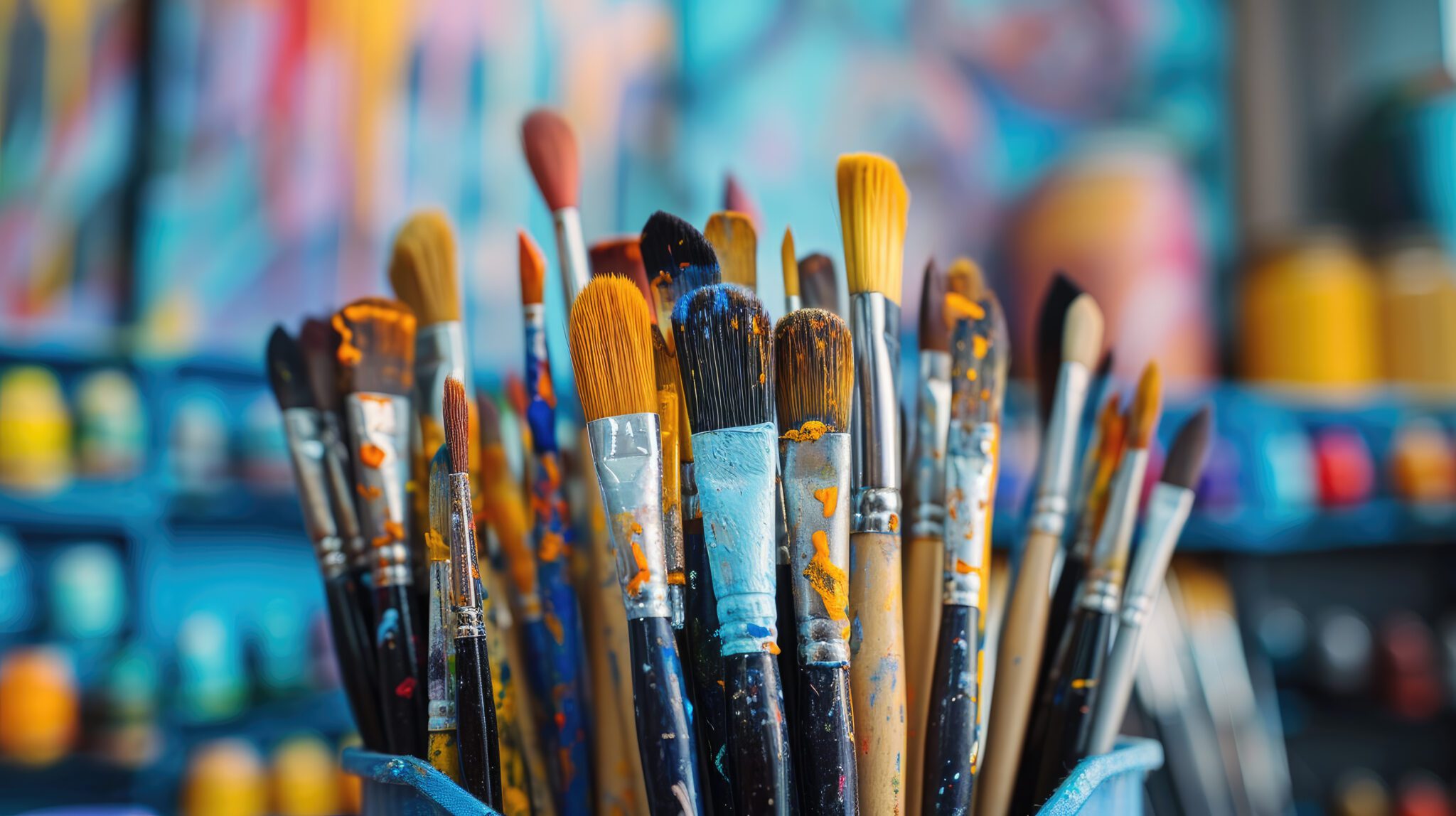
Building a well-rounded brush collection is at the heart of every successful acrylic painter’s journey. The right brushes not only expand your creative possibilities but also allow you to experiment with new techniques and textures—particularly when painting dynamic landscapes. Whether you’re just starting out or looking to refine your set, understanding the unique strengths of each essential brush type is key to unlocking the full potential of your art.
The Importance of a Diverse Brush Collection
Acrylic painting is an incredibly versatile medium. From sweeping sky washes to the finest leaf details, each stroke brings your vision to life. This versatility is best supported by a thoughtfully chosen selection of brushes, with each shape and size serving specific functions. Knowing which brush to reach for can make challenging elements—like blending clouds or painting delicate branches—much easier to master.
The Essential Brush Types Every Acrylic Artist Needs
1. Flat Brushes
Broad Strokes and Background Coverage
Flat brushes feature long, straight edges and medium-to-long bristles, making them perfect for laying down bold blocks of color, filling in backgrounds, and creating sharp, clean edges. Their wide shape allows artists to quickly cover canvas areas while also making expressive marks when used on their sides.
2. Round Brushes
Versatility for Detail and Broader Strokes
Round brushes come to a pointed tip and are one of the most versatile options available. They excel at everything from painting fine lines and details to crafting broader strokes simply by varying the pressure. Round brushes are excellent all-purpose tools for both beginners and seasoned artists.
3. Filbert Brushes
Blending and Soft, Rounded Shapes
A blend between flat and round, the filbert brush has an oval-shaped tip that’s ideal for soft blending and creating organic shapes. Filberts are a favorite for painting clouds, petals, and natural curves in landscapes, as their rounded edge avoids harsh lines and facilitates smooth transitions.
4. Fan Brushes
Texture and Natural Effects
Fan brushes stand out with their splayed bristles, which make them excellent for creating natural textures such as foliage, grassy fields, or the movement of water. They’re also useful for blending edges and softening transitions, adding drama and interest to your landscape scenes.
5. Detail Brushes (Liner & Spotter Brushes)
Fine Lines and Intricate Details
When it’s time to add the finishing touches, detail brushes become indispensable. Their fine, pointed tips are perfect for painting delicate branches, highlights, tiny reflections, or any detail that requires precision and control. Every artist’s kit should have a few detailers of varying sizes.
Building Your Unique Collection
While these five brush types form the backbone of a well-rounded acrylic collection, don’t be afraid to explore beyond the basics. Specialty brushes, unconventional tools, and even found objects can add exciting textures and personality to your work. The more you experiment, the more you’ll discover which brushes resonate most with your unique style.
Final Thoughts
The journey to becoming a confident acrylic artist begins with the right tools. By equipping yourself with a diverse set of essential brushes, you’ll find it easier to tackle any subject, texture, or technique that inspires you. So, dive in—test new brushes, mix things up, and let your imagination lead the way.
Ready to take your brush collection to the next level? Explore a carefully curated variety of professional brushes and art supplies at URARTSTUDIO’s shop. For more tips, inspiration, and step-by-step guides, visit our painting tips page. Your next masterpiece is just a brushstroke away!
Keywords: essential acrylic brushes, flat brush, round brush, filbert, fan brush, detail brush, art supplies, URARTSTUDIO
#AcrylicPainting #BrushEssentials #ArtSupplies #PaintingTips #URARTSTUDIO
Leave a Reply
You must be logged in to post a comment.