


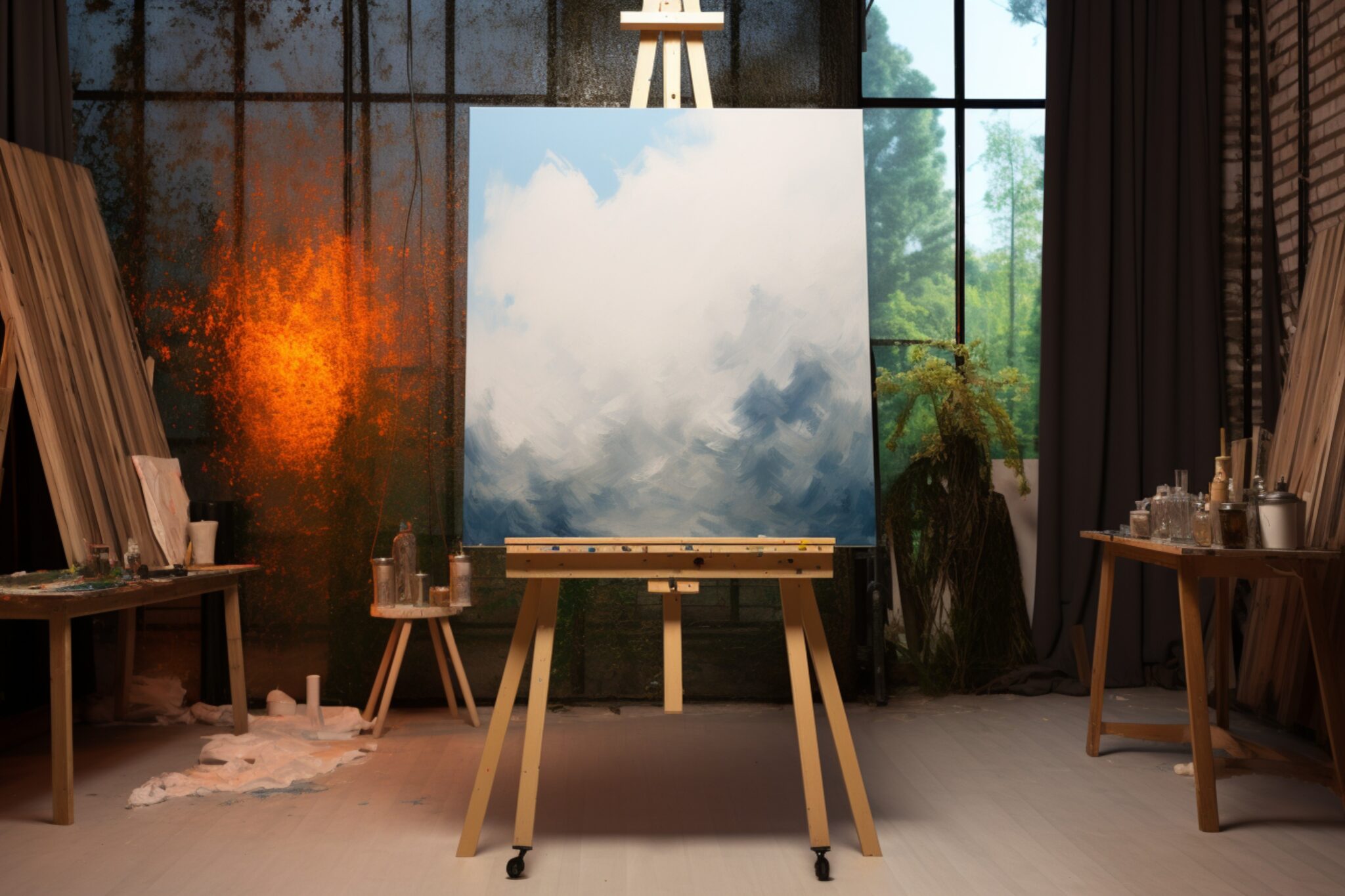
Sometimes, the most memorable marks in landscape painting aren’t made with traditional art brushes. In fact, embracing creativity and experimentation by using found objects as brushes can open up an entirely new world of texture, gesture, and unexpected beauty in your art. If you’ve ever wondered how to bring more energy and individuality to your acrylic landscapes, this guide to unconventional brushes is the perfect place to start!
Embracing Creativity: Why Use Found Objects?
Traditional brushes are designed for precision and control, but found objects invite spontaneity and surprise. Using items from your environment—or even your recycling bin—encourages you to step outside the ordinary and make your mark in a personal, organic way. Each tool, with its unique shape and texture, can help you add depth, intrigue, and natural variation to your landscapes.
Types of Found Objects to Try
Here are some inspiring examples of everyday items that can double as exceptional painting tools:
- Leaves and Twigs: Perfect for printing patterns, scraping lines, or dragging through paint to mimic the look of grass or woodgrain.
- Sponges (Natural or Synthetic): Create clouds, foliage, rocks, and water textures with dabbing and stippling motions.
- Fabric Scraps or Burlap: Use to blot, drag, or press for textured effects—great for earth or bark.
- Old Toothbrushes: Excellent for spattering paint to create sand, stars, or foliage highlights.
- Combs and Forks: Draw through wet paint for patterns resembling branches, rippling water, or wind in grass.
- Bubble Wrap: Press into wet paint for organic, bubbly texture—useful for stones, water, or leafy canopies.
- Credit Cards or Plastic Scrapers: Drag for clean, sharp edges; scrape back to expose underlayers and make rocky outcrops or sunbeams.
Techniques for Unique Effects
- Stamping and Printing: Dip your object in paint and press it onto the canvas to leave bold, textured prints. Try overlapping impressions for layered foliage or undergrowth.
- Dragging and Scraping: Pull a twig, comb, or card through wet paint to suggest reeds, tree branches, or streams.
- Stippling and Dabbing: Bounce sponges or fabric against the surface to build up soft, airy clouds or rough, impressionistic earth.
- Spattering: Load a toothbrush with thinned paint and flick it for natural, scattered highlights or falling leaves.
- Blotting: Press fabric or a tissue into fresh paint to lift off areas and reveal lighter patches, ideal for clouds or reflections in water.
Practical Tips for Success
- Preparation: Clean all objects before use and test them on a scrap piece of paper to see what marks they make.
- Paint Consistency: Adjust the thickness of your acrylics—thicker paint holds texture, while thinner paint or washes are better for delicate impressions.
- Layering: Use found-object marks as the initial texture layer, then refine with traditional brushes or fingers as desired.
- Mixing Tools: Combine different objects on the same painting for diverse textures and to support your landscape’s natural complexity.
Care and Maintenance
- Clean Up Quickly: Acrylics dry fast, so wash objects immediately after use with water and mild soap. Some porous objects like leaves may be single-use.
- Storage: Keep reusable tools dry and separate from traditional brushes to avoid cross-contamination or damage.
- Replace as Needed: Don’t worry if an object wears out over time—that just means you’ve been creating!
Why Experiment?
Painting with unconventional brushes is a liberating way to embrace happy accidents and let your creativity shine. Found objects can unlock textures and effects that conventional tools often miss, helping you capture the rich, untamed energy of nature in your landscapes.
Experimentation can lead to breakthroughs in your style, so next time you go for a walk or clean out a drawer, look at ordinary objects with an artist’s eye. Your next favorite “brush” might be waiting for you in your own backyard!
Ready to try it? Gather some found objects and see what magic you can create. For more painting insights and a range of essential art supplies, visit URARTSTUDIO’s shop and check our painting tips for further inspiration!
Keywords: unconventional brushes, found objects, landscape painting, textural effects, acrylic techniques, creative tools
#unconventionalbrushes #foundobjects #acryliclandscape #paintingtechniques #artcreativity #URARTSTUDIO
Leave a Reply
You must be logged in to post a comment.