


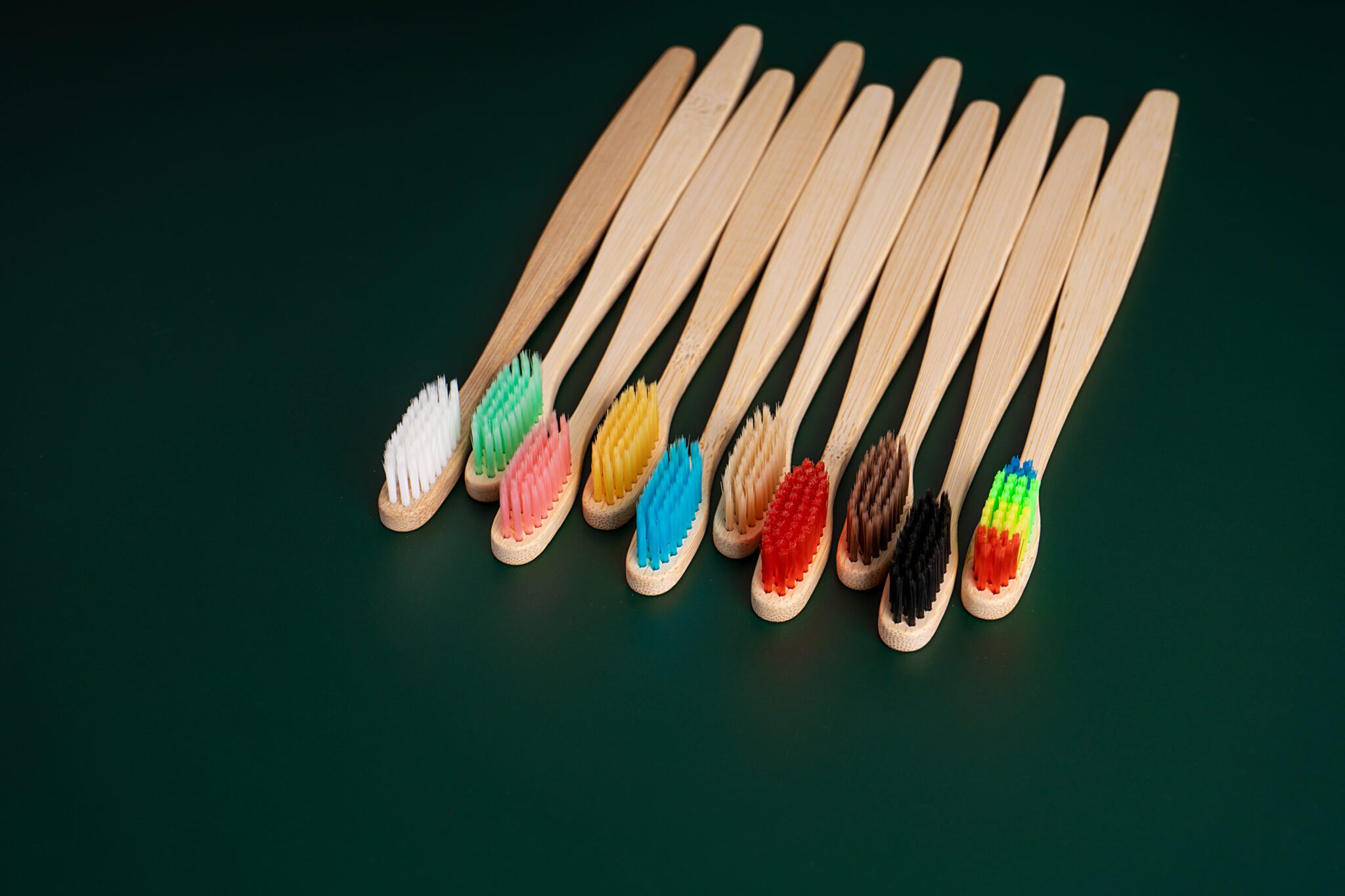
When it comes to landscape painting with acrylics, most artists reach for their trusty brushes, palette knives, or even sponges. But sometimes, the most unexpected tool can unleash the greatest creative potential. Enter the humble toothbrush—not just for cleaning teeth, but for unlocking an incredible variety of textures and effects that can elevate your landscapes to new heights.
Why Use a Toothbrush?
Toothbrushes offer a surprising level of versatility in art. Their stiff bristles and ergonomic handles allow artists to experiment with flicking, dabbing, scrubbing, and more. Unlike traditional brushes, a toothbrush can produce patterns and textures that are difficult (if not impossible) to replicate otherwise, making it a must-try for any painter looking to push their boundaries.
Essential Techniques for Using a Toothbrush in Acrylic Painting
1.
Splatter Effects for Natural Texture
Dip a toothbrush into slightly thinned acrylic paint, point the bristles at your canvas, and run your thumb across the bristles’ edge to flick droplets onto the surface. This technique is fantastic for:
- Dappled foliage in trees and underbrush
- Star-studded night skies
- Surface texture on rocks or distant fields
Tip: Vary the paint’s thickness and the distance from the canvas for larger or finer droplets.
2.
Dry Brushing for Subtle Roughness
Load a small amount of undiluted paint onto a dry toothbrush and lightly scrub it across your canvas. This creates patchy, broken marks perfect for:
- Weathered terrain
- Sun-bleached wood
- Mossy rocks and bark textures
3.
Stippling for Layered Details
Press the toothbrush straight down repeatedly onto your painting’s surface to “stamp” spots of color. Overlap colors for realistic:
- Grass clusters
- Distant trees
- Wildflowers
4.
Scrubbing & Texture Lifting
The stiff bristles can also be used to gently scratch or lift drying paint, revealing underlayers or adding rugged, worn-in appearance to:
- Rock faces
- Rustic paths
- Aged architectural features
Practical Tips for Success
- Dedicated Art Toothbrushes: Use new or clean brushes reserved for painting—avoid toothbrushes with toothpaste residue!
- Vary Bristle Types: Soft, medium, or hard bristles will create different effects. Experiment to find what works best for your desired texture.
- Control the Mess: Practice first on a test surface; cover nearby areas (and yourself) when working with splattering techniques.
- Clean Quickly: Rinse the toothbrush well after each use, especially since acrylic paint can quickly harden and ruin the bristles.
Creative Uses in Landscape Art
- Autumn Leaves: Flick orange, red, and yellow for sparkling fall foliage.
- Splashing Water: Splatter white or light blue paint for foamy riverbanks or ocean spray.
- Dusty Trails: Scrub light brown paint with a dry tooth brush for a powdery path effect.
- Mountain Mist: Lightly splatter thinned white near the peaks to suggest haze or snow.
Final Thoughts
The toothbrush is a powerful and unconventional ally in your acrylic landscape painting toolkit. Its ability to create organic, unpredictable textures makes it ideal for capturing the vibrancy of nature. Whether you’re after the flicker of stars, the dapple of wildflowers, or the ruggedness of rocks, the toothbrush delivers unique effects that can breathe new life into your work.
Ready to explore even more innovative painting tools and techniques? Visit URARTSTUDIO’s shop for supplies, and check out URARTSTUDIO Painting Tips for more inspiration.
Keywords: toothbrush painting, acrylic texture, unconventional tools, splatter technique, landscape art
#ToothbrushArt #AcrylicTexture #UnconventionalTools #LandscapePainting #URARTSTUDIO
Leave a Reply
You must be logged in to post a comment.