


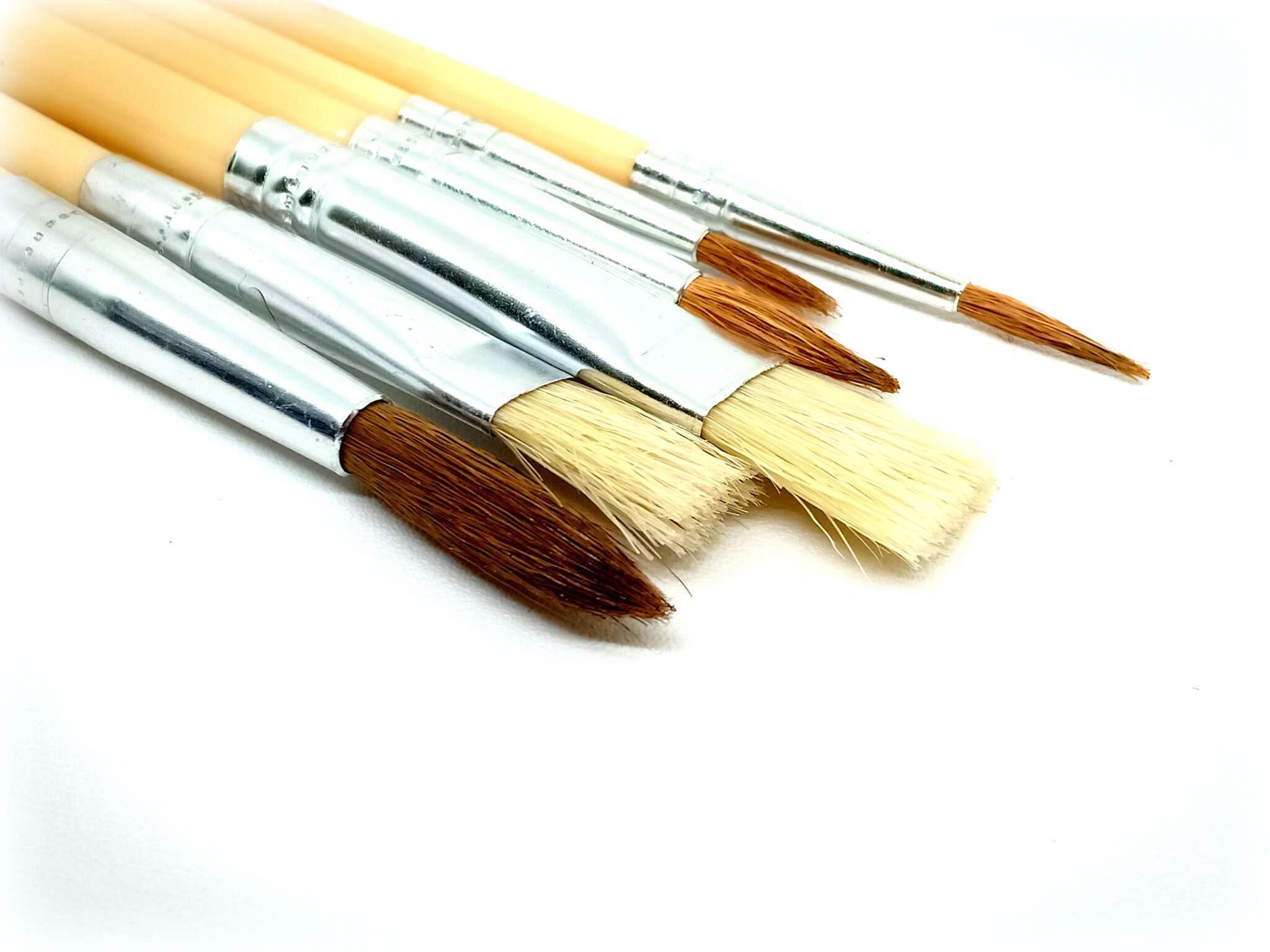
For landscape artists, capturing the delicate beauty of nature often comes down to the smallest details: the slender branches of distant trees, the sweep of tall grasses in the wind, or the subtle ripples on a sunlit pond. When it comes to painting such fine lines and intricate elements, the rigger brush is an invaluable tool that brings both precision and versatility to your acrylic landscape work.
What Makes the Rigger Brush Unique?
The rigger brush—also known as a liner brush—stands out due to its long, thin bristles, typically coming to a fine point. Originally developed by maritime artists to paint the rigging on ships (hence the name “rigger”), this brush is specially designed for maintaining extended, unbroken lines and crafting the most delicate of details.
Key Features:
- Extra-long bristles: Hold more paint and allow for continuous, flowing strokes.
- Fine point: Perfect for hairline lines, reeds, twigs, and blades of grass.
- Flexible, springy bristles: Provide control for both smooth curves and confident flicks.
Versatility in Landscape Painting
The rigger brush’s design enables you to effortlessly add elements that bring vibrancy and realism to landscapes:
- Tree branches and twigs: Achieve natural, unbroken fine lines from trunk to slender tip.
- Grasses and reeds: With a swift flick, create varied grass blades or wetland reeds in the foreground and background.
- Ripples and reflections: Suggest the shimmer of water with delicately pulled strokes.
- Fences, wires, and distant details: Paint perfectly even posts, fence rails, or the finest details of architectural elements.
Techniques for Using the Rigger Brush Effectively
1. Loading the Brush Correctly:
Thin your acrylic paint with a little water or medium so it flows smoothly, but isn’t drippy. Roll the rigger brush in the paint until the bristles come to a clean, narrow point and the brush is evenly loaded.
2. Varying Pressure and Angle:
Apply gentle, steady pressure for the thinnest lines, or add a touch more pressure for slightly bolder marks. For tapers (like a blade of grass or branch), start with more pressure and quickly lighten it as you flick the brush away.
3. Practicing Steady, Fluid Movements:
Hold the brush like a pen, and practice pulling long, confident strokes. Avoid overworking the same area—lift and reload as needed for consistent, uninterrupted lines.
4. Building Natural Variation:
Don’t be afraid to let lines overlap, break, or curve naturally. In nature, no two stems or branches are identical—embrace the unique character with each stroke and vary color, pressure, and direction for realistic results.
Care and Maintenance Tips
A well-cared-for rigger brush will serve you through many painting sessions:
- Rinse immediately after each use, making sure to swirl out paint trapped at the base of the bristles.
- Use gentle soap and lukewarm water for thorough cleaning, avoiding harsh scrubbing that can distort the delicate tip.
- Reshape the bristles to a fine point while damp and allow to dry flat or upright (with bristles up).
- Store carefully to prevent the long bristles from bending or splaying.
Proper care ensures the brush remains precise and responsive for your next detail session.
Final Thoughts
The rigger brush is a true staple for artists dedicated to expressive, lifelike landscapes. Its unrivaled ability to paint fine lines unlocks endless detail—from windswept grasses to intricate branches—making your scenes feel vibrant and true to life.
Ready to elevate your landscape details?
Find high-quality rigger brushes and more at URARTSTUDIO’s shop and discover additional landscape painting insights at URARTSTUDIO Painting Tips.
Keywords: rigger brush, fine lines, acrylic landscape, details, brush techniques, brush care
#RiggerBrush #FineDetail #LandscapeArt #AcrylicTechniques #URARTSTUDIO
Leave a Reply
You must be logged in to post a comment.