


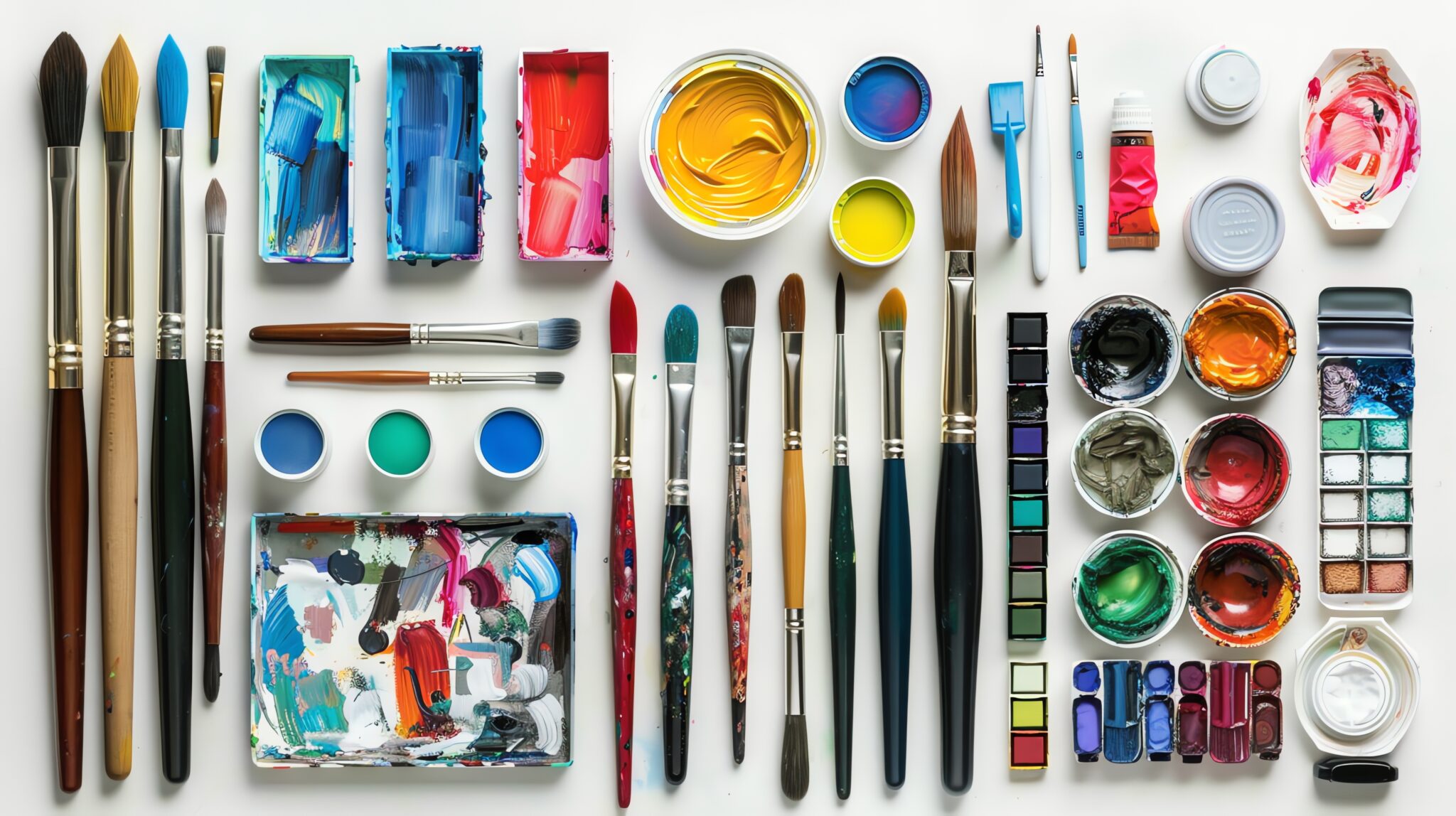
Every artist seeks that distinctive, recognizable touch—their unique “artistic voice”—on the canvas. While subject matter and color palette play big roles in shaping your personal style, the brushes you choose and how you use them are just as influential. Mastering brush selection and technique not only transforms the look and feeling of each painting, but it also helps your true creative self shine through.
The Impact of Brush Shapes and Sizes on Expression
Each brush type brings its own vocabulary of marks, textures, and emotions. Let’s explore how popular brush shapes and sizes can influence your painting style:
Flat Brushes
- Character: Precise, bold, geometric strokes.
- Expressive Potential: Great for crisp lines in architecture, dramatic skies, and structured landscapes.
- Style Tip: Use the short edge for thin lines and the broad side for confident, powerful blocks of color.
Round Brushes
- Character: Fluidity and versatility.
- Expressive Potential: Ideal for graceful lines, organic curves, and controlled washes—perfect for delicate branches or sweeping water forms.
- Style Tip: Adjust pressure for thick-to-thin lines that add natural dynamism to your work.
Filbert Brushes
- Character: Soft, semi-rounded edges.
- Expressive Potential: Blend backgrounds smoothly or shape petals and leaves with gentle, natural transitions.
- Style Tip: Excellent for artists who love painterly, blended strokes with a hint of softness.
Fan Brushes
- Character: Whispy, scattered, or feathery textures.
- Expressive Potential: Fantastic for loose grass, clouds, or foliage—anywhere you want a suggestion rather than a hard edge.
- Style Tip: Great for adding movement and a sense of airiness to your work.
Angular (Angle) Brushes
- Character: Dynamic, slanted marks.
- Expressive Potential: Cut sharp edges, make precise corners, and create dimensional highlights.
- Style Tip: Perfect for artists who want both control and expressive flourish in a single stroke.
Detail and Rigger Brushes
- Character: Superfine lines and pinpoint accuracy.
- Expressive Potential: Sign your name with flair, capture the finest twigs, or emphasize delicate details.
- Style Tip: Use for tiny highlights, line work, or to inject visual rhythm into your landscapes.
The Emotional and Visual Impact of Brush Choices
Brushwork isn’t just about mark-making—it carries mood, energy, and emphasis. Imagine a stormy sky painted with long, sweeping filberts versus quick, staccato flicks of a fan brush—each evokes a different emotional response.
- Bold, graphic strokes (flat, angular brushes) can suggest confidence, modernity, or tension.
- Soft, blended marks (filbert, round brushes) create a feeling of calm, nostalgia, or dreaminess.
- Energetic, textured effects (fan, coarse bristle brushes) enhance liveliness and unpredictability in natural scenes.
Experimenting with these choices helps you convey the emotional language you feel most drawn to—whether it’s tranquil, dynamic, expressive, or restrained.
Blending Brush Selection with Personal Style
Developing your artistic voice means allowing your instincts to guide both your brush selection and painting techniques. Here’s how to nurture that fusion:
- Try everything: Test each brush type—even ones you’re less familiar with—on a scrap canvas. Notice what feels most intuitive and satisfying.
- Analyze your favorites: Review your past work. Are your favorite paintings made with smoother blends or lively textures? This can reveal your natural preferences.
- Mix and match: Don’t be afraid to combine brushes. You might block in large shapes with a flat brush, blend with a filbert, then add finishing pops of detail with a rigger.
- Let the brush lead: Sometimes, a new brush technique or mark can inspire unexpected creative breakthroughs. Stay open to happy accidents.
Practical Exercises to Discover Your Brush Voice
- Mark-Making Sampler: Fill a sheet with short strokes, dabs, swirls, and washes using every brush in your collection. Compare the results.
- One-Brush Challenge: Paint a mini landscape using only one type of brush—explore its full expressive range.
- Contrast Study: Start a piece with one brush type, then finish or highlight with a contrasting brush for dynamic variety.
- Texture Play: Layer different brushes across your landscape—smooth filberts for sky, rough fan brushes for grass, fine riggers for tree branches.
Conclusion: Your Brushes, Your Voice
Your painting style is as much a reflection of your tools as your vision. Being mindful of brush selection and how it aligns with your personality and intent bridges the gap between technique and self-expression. Over time, your favorite marks, gestures, and finishes will become unmistakably yours.
Ready to explore new brushes and discover your artistic voice? Browse the curated selection of brushes at URARTSTUDIO’s art supply shop and visit our painting tips for inspiration and techniques. Each brushstroke is a step closer to your signature style—embrace the journey!
Keywords: artistic style, brush selection, painting techniques, acrylic landscapes, art expression, URARTSTUDIO
#findyourstyle #brushtechnique #acrylicpainting #expressiveart #URARTSTUDIO
Leave a Reply
You must be logged in to post a comment.